Java, as one of the most widely used programming languages, has a plethora of resources available to learn and hone your skills. To help you navigate through this abundance of information, we have compiled a list of the top 10 Java books that cater to a range of expertise levels, from beginners to advanced users.
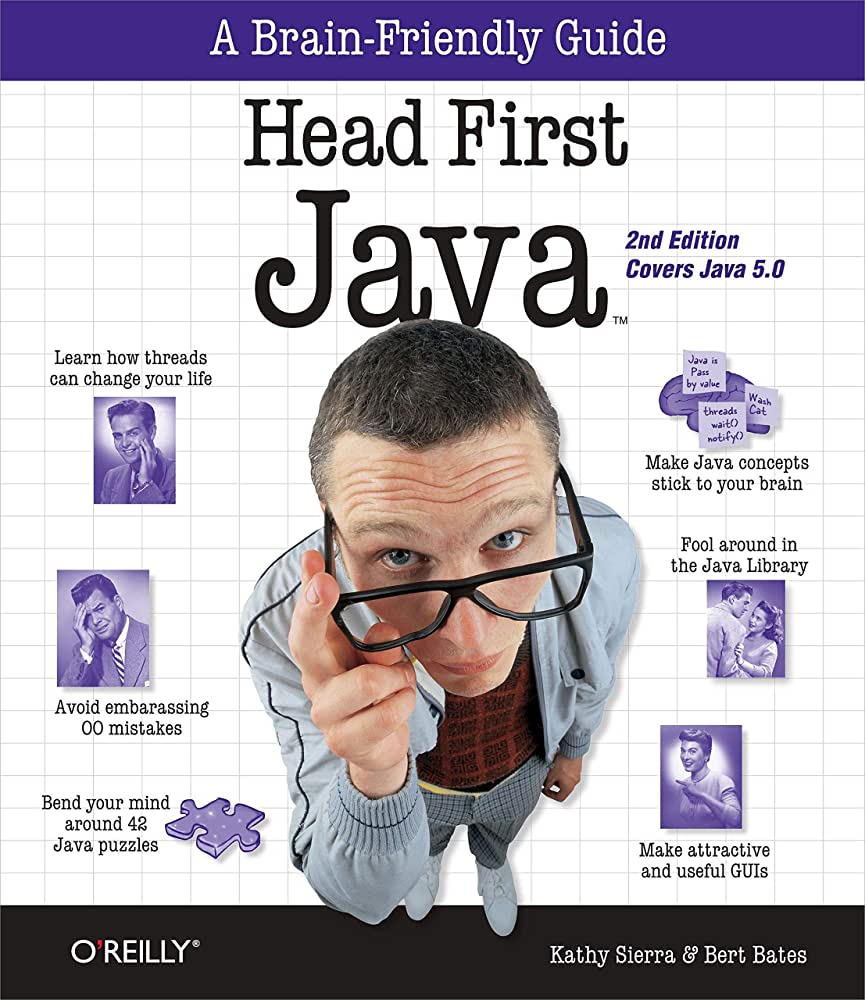
1. Head First Java, 2nd Edition by Kathy Sierra and Bert Bates
Level: Beginner
Head First Java is an excellent starting point for beginners looking to learn Java from scratch. The book’s unique teaching style engages the reader with puzzles, visuals, and hands-on examples. It provides a solid foundation in Java programming, covering topics like object-oriented programming, inheritance, and polymorphism.
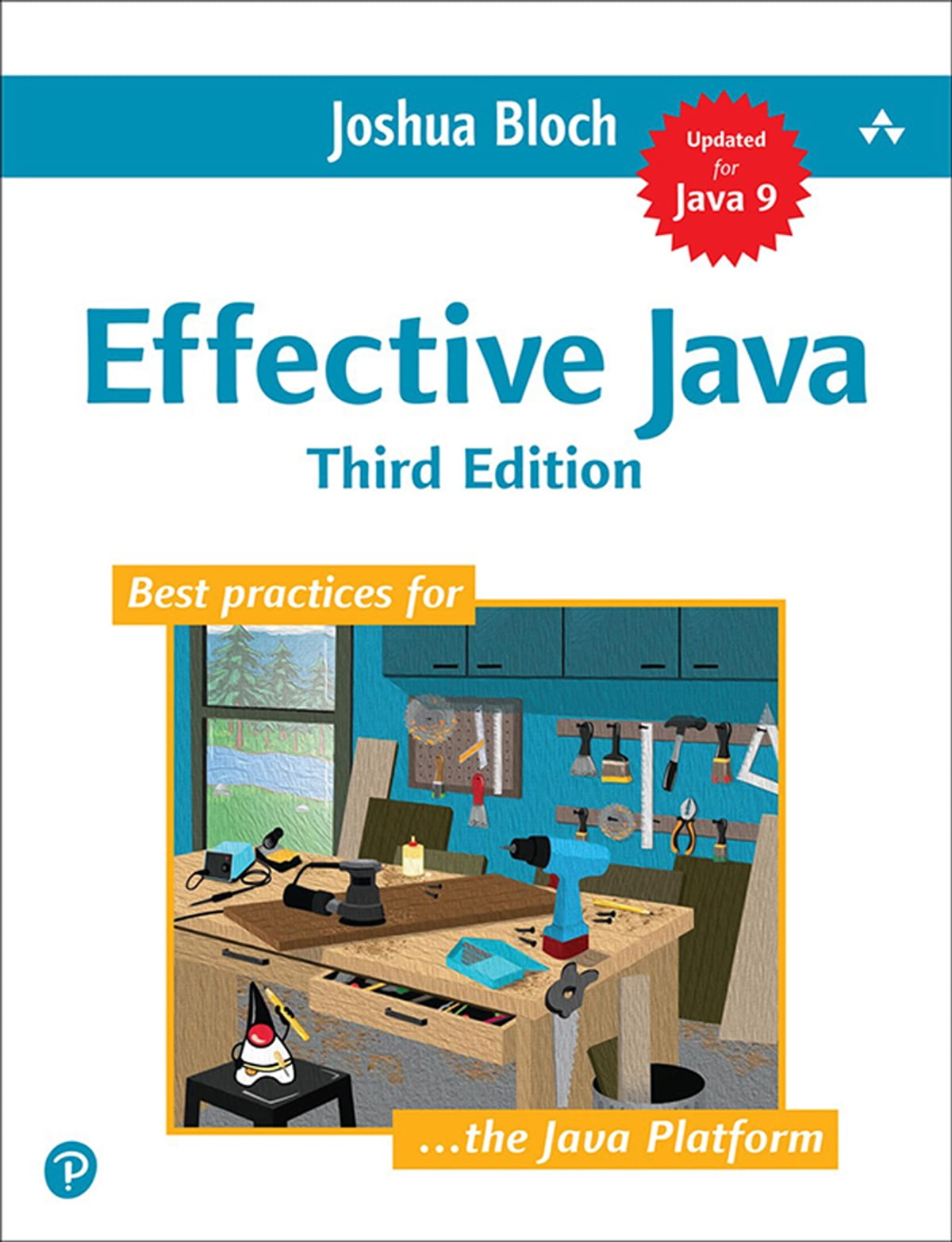
2. Effective Java, 3rd Edition by Joshua Bloch
Level: Intermediate to Advanced
Effective Java is a must-read for any serious Java developer. This book delves into best practices, patterns, and idioms, allowing developers to write clean, efficient, and maintainable code. The third edition is updated for Java 7, 8, and 9, providing coverage on lambda expressions, streams, and new concurrency APIs.
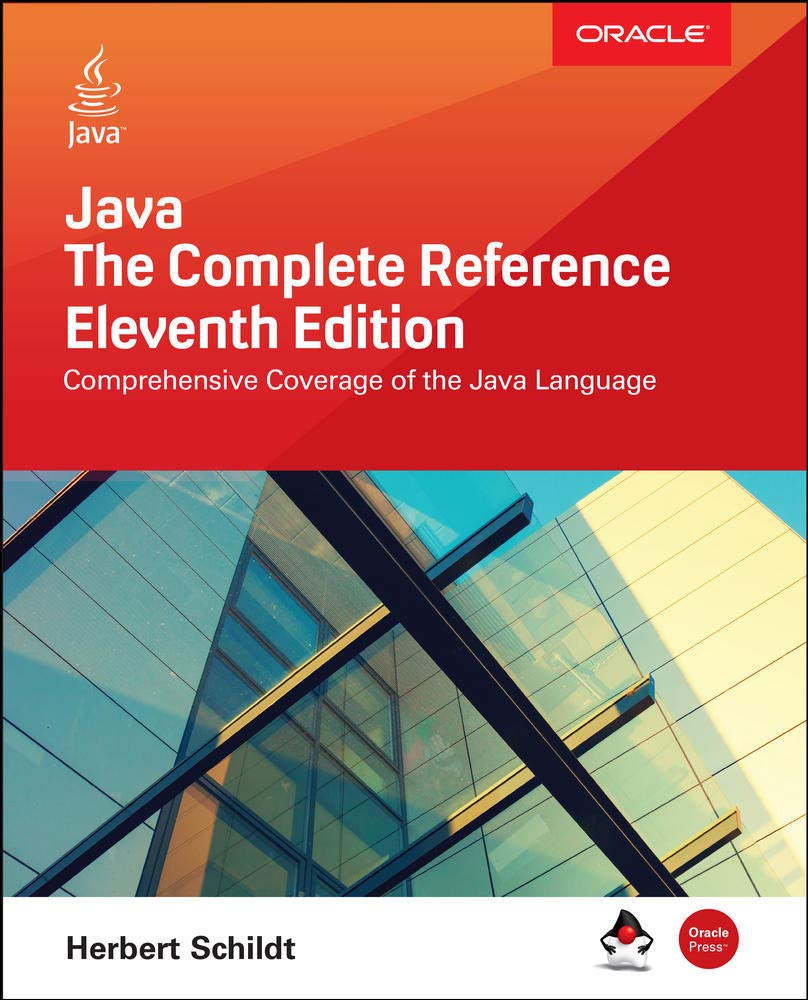
3. Java: The Complete Reference, 11th Edition by Herbert Schildt
Level: Beginner to Advanced
This comprehensive guide covers everything from the basics to the most advanced features of Java. It serves as a perfect reference and learning tool for developers of all skill levels. The latest edition covers the newest additions to Java, including the module system, lambda expressions, and more.
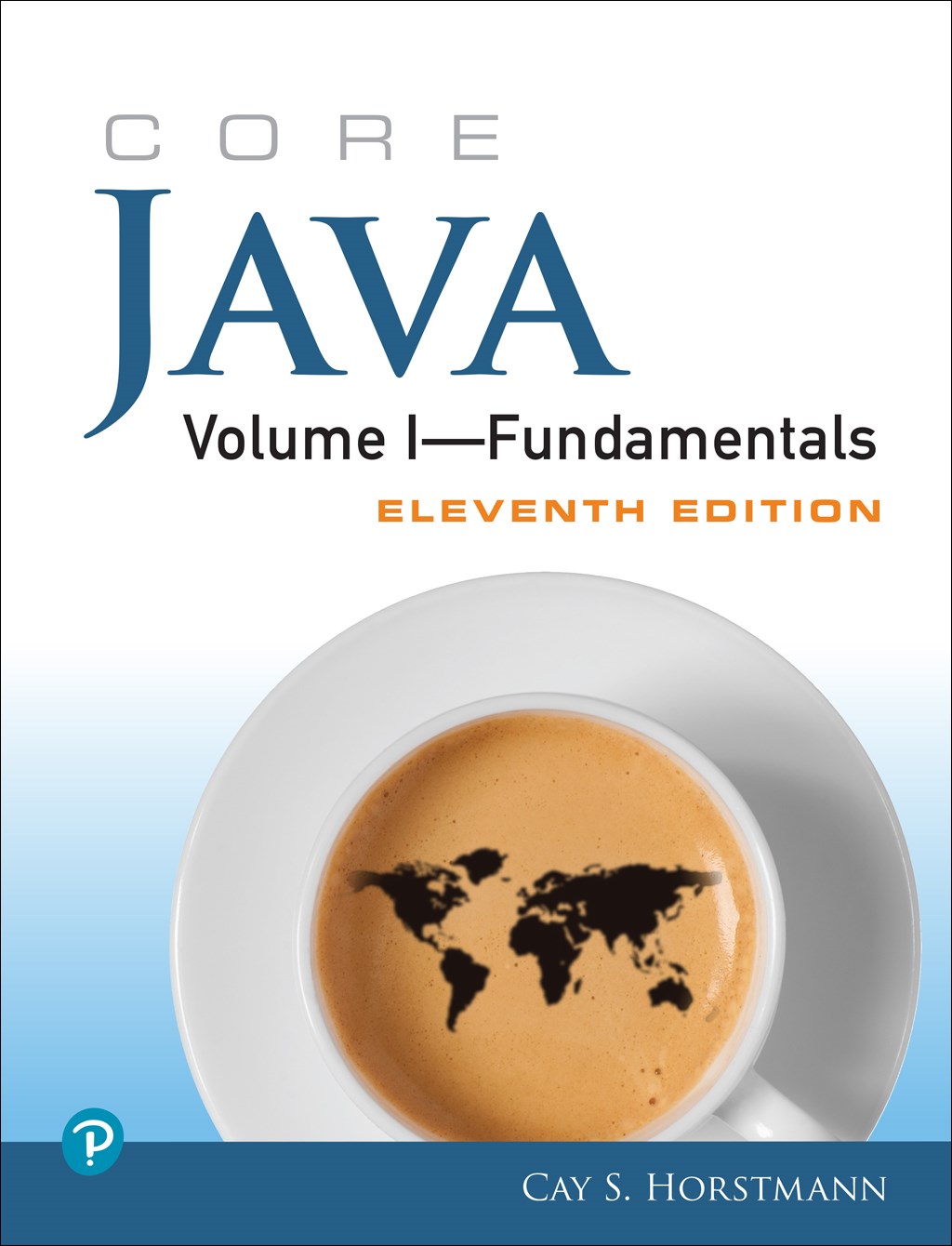
4. Core Java Volume I—Fundamentals, 11th Edition by Cay S. Horstmann
Level: Intermediate
Core Java Volume I is a classic resource for experienced programmers looking to deepen their understanding of Java. This book covers fundamental concepts such as encapsulation, inheritance, interfaces, and exceptions, while also providing insight into more advanced topics like lambda expressions and concurrency.
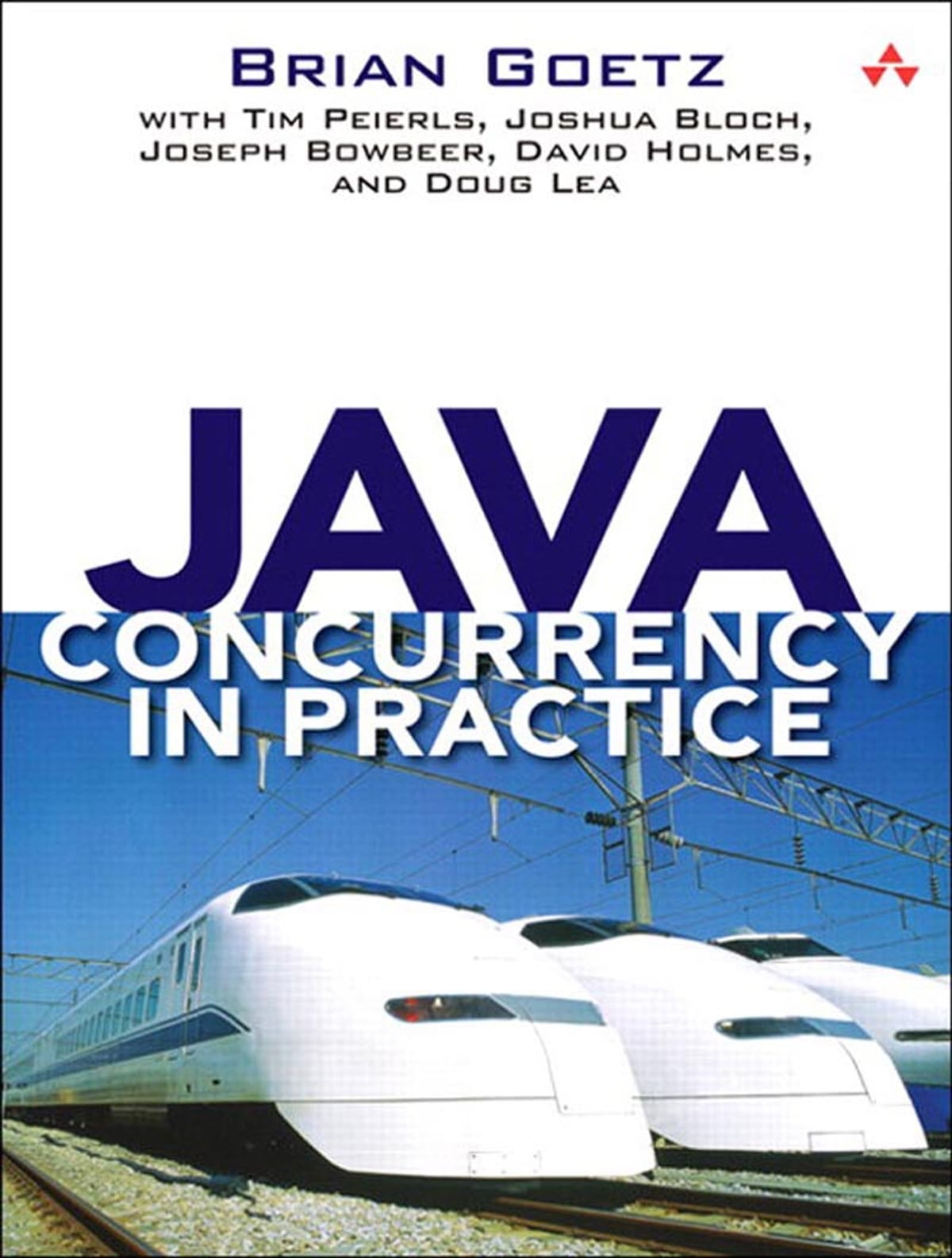
5. Java Concurrency in Practice by Brian Goetz, Tim Peierls, Joshua Bloch, Joseph Bowbeer, David Holmes, and Doug Lea
Level: Advanced
Java Concurrency in Practice is a definitive guide to writing concurrent and multi-threaded programs in Java. The book offers detailed explanations, best practices, and practical techniques for working with concurrency, helping developers build reliable and high-performance applications.
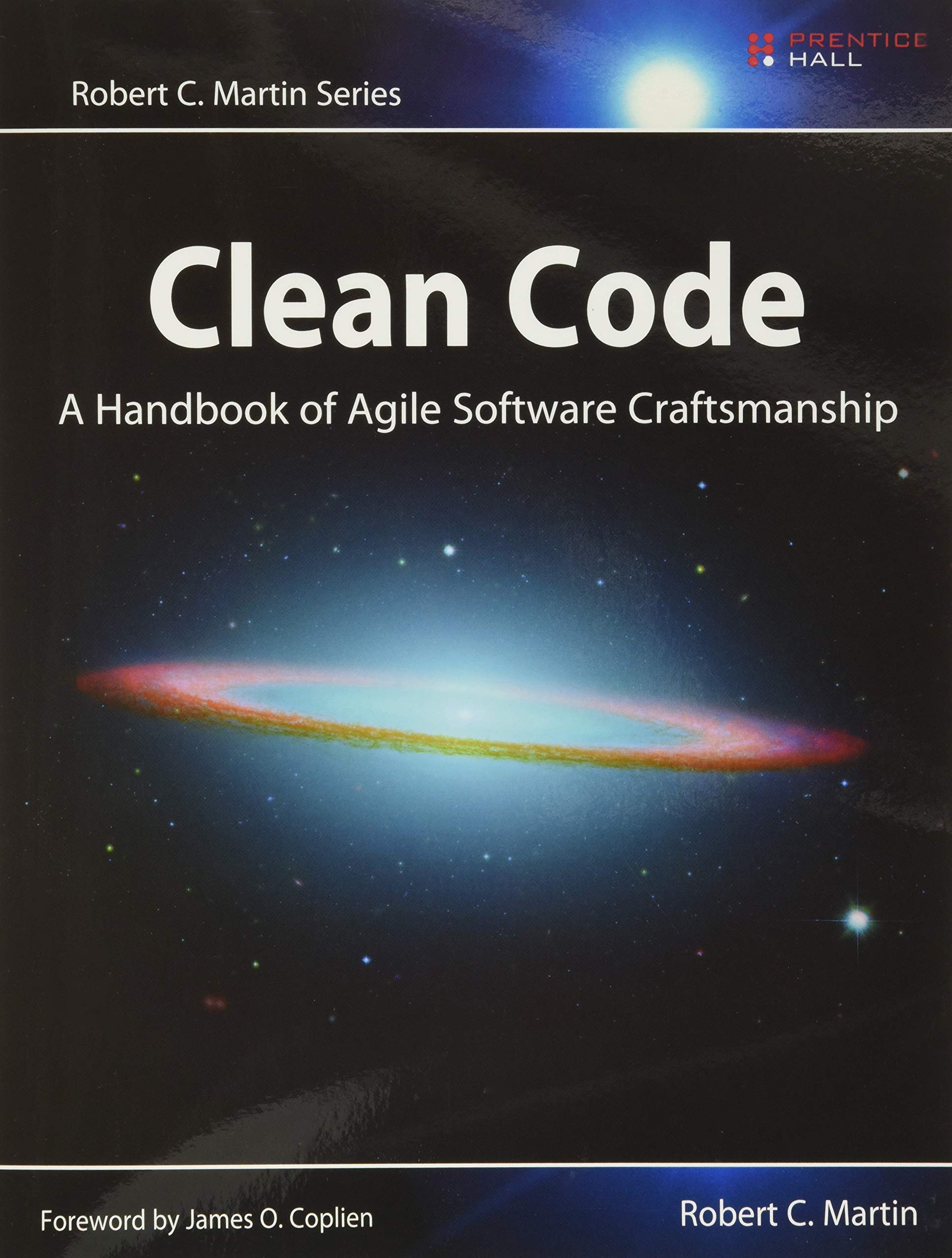
6. Clean Code: A Handbook of Agile Software Craftsmanship by Robert C. Martin
Level: Intermediate to Advanced
Clean Code, though not exclusively a Java book, is an essential read for any developer. The book emphasizes the importance of writing clean, maintainable, and scalable code. It provides a set of principles, patterns, and practices that are applicable to Java and other programming languages.
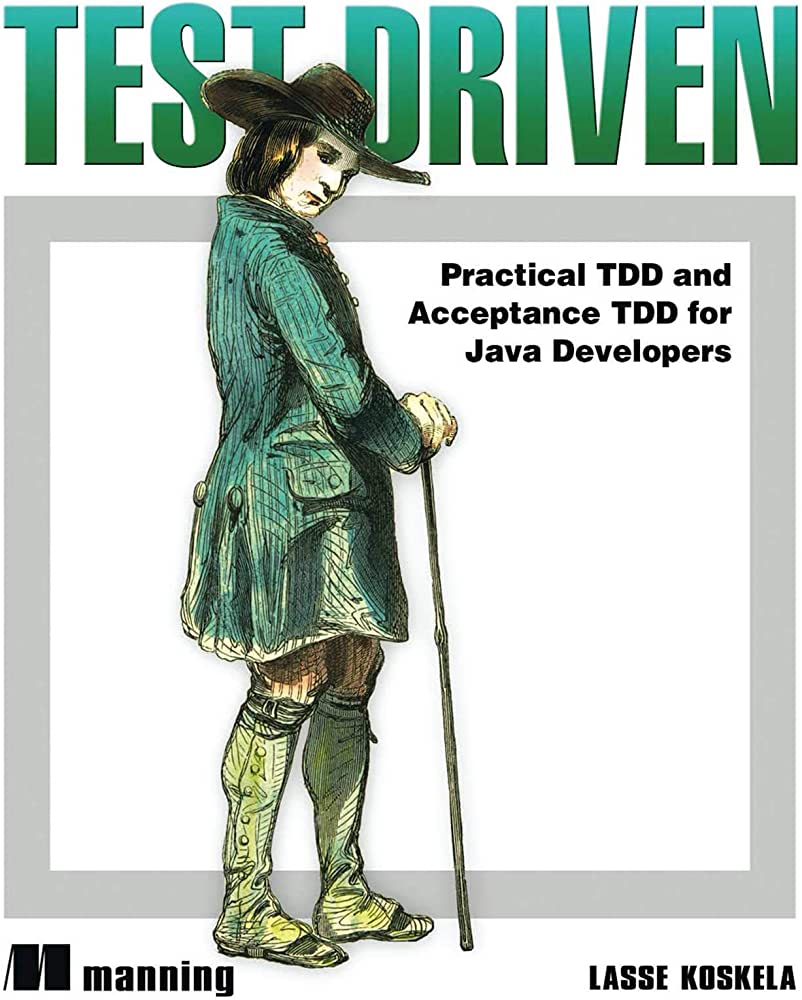
7. Test-Driven: TDD and Acceptance TDD for Java Developers by Lasse Koskela
Level: Intermediate
This book teaches Java developers how to build robust and maintainable applications using Test-Driven Development (TDD). It covers unit testing, refactoring, and acceptance testing while providing practical examples and hands-on exercises for implementing TDD in real-world projects.
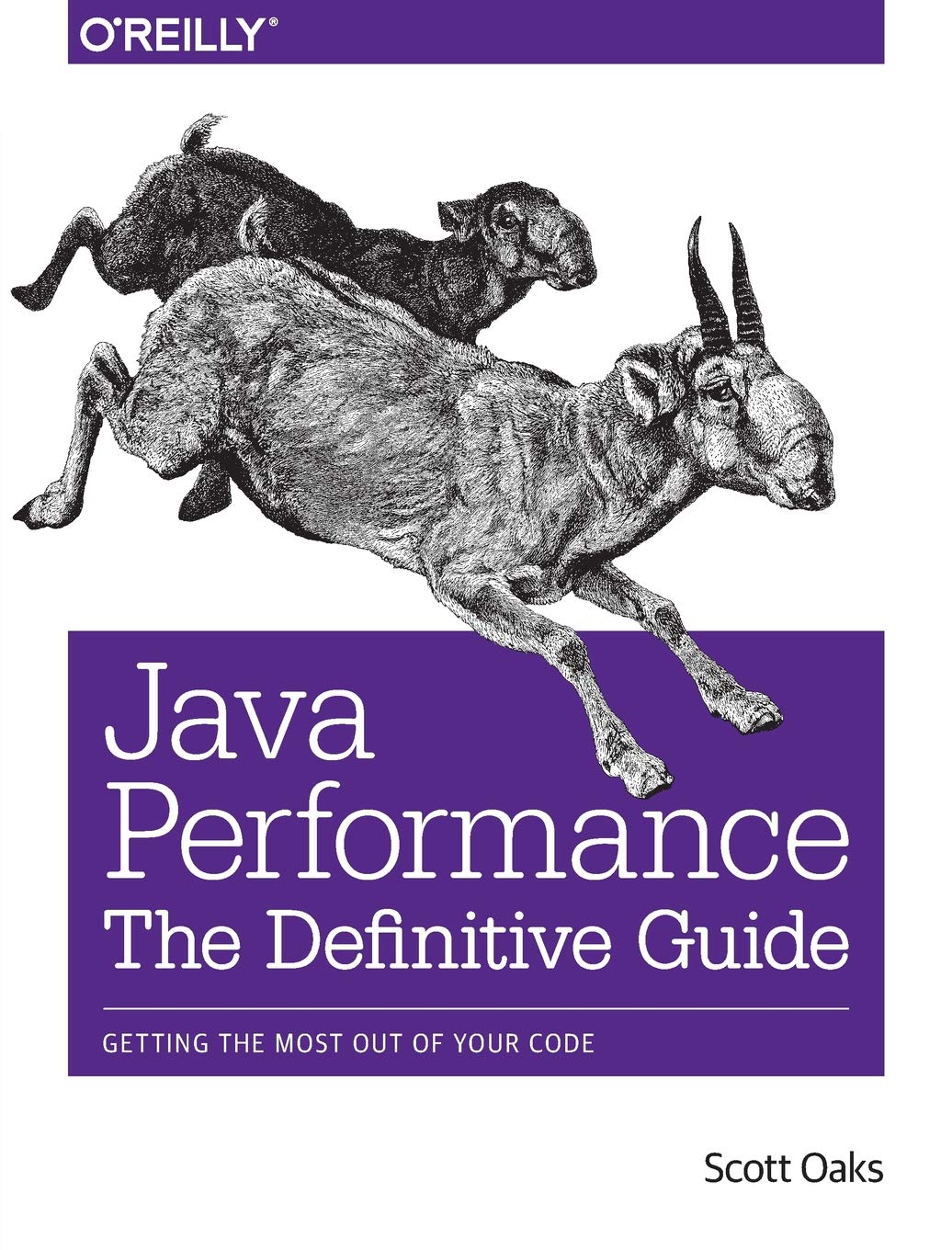
8. Java Performance: The Definitive Guide by Scott Oaks
Level: Advanced
Java Performance offers in-depth knowledge on how to optimize Java applications for performance. It covers topics such as garbage collection, JIT compilation, and application profiling. The book also provides strategies for diagnosing and resolving common performance issues.
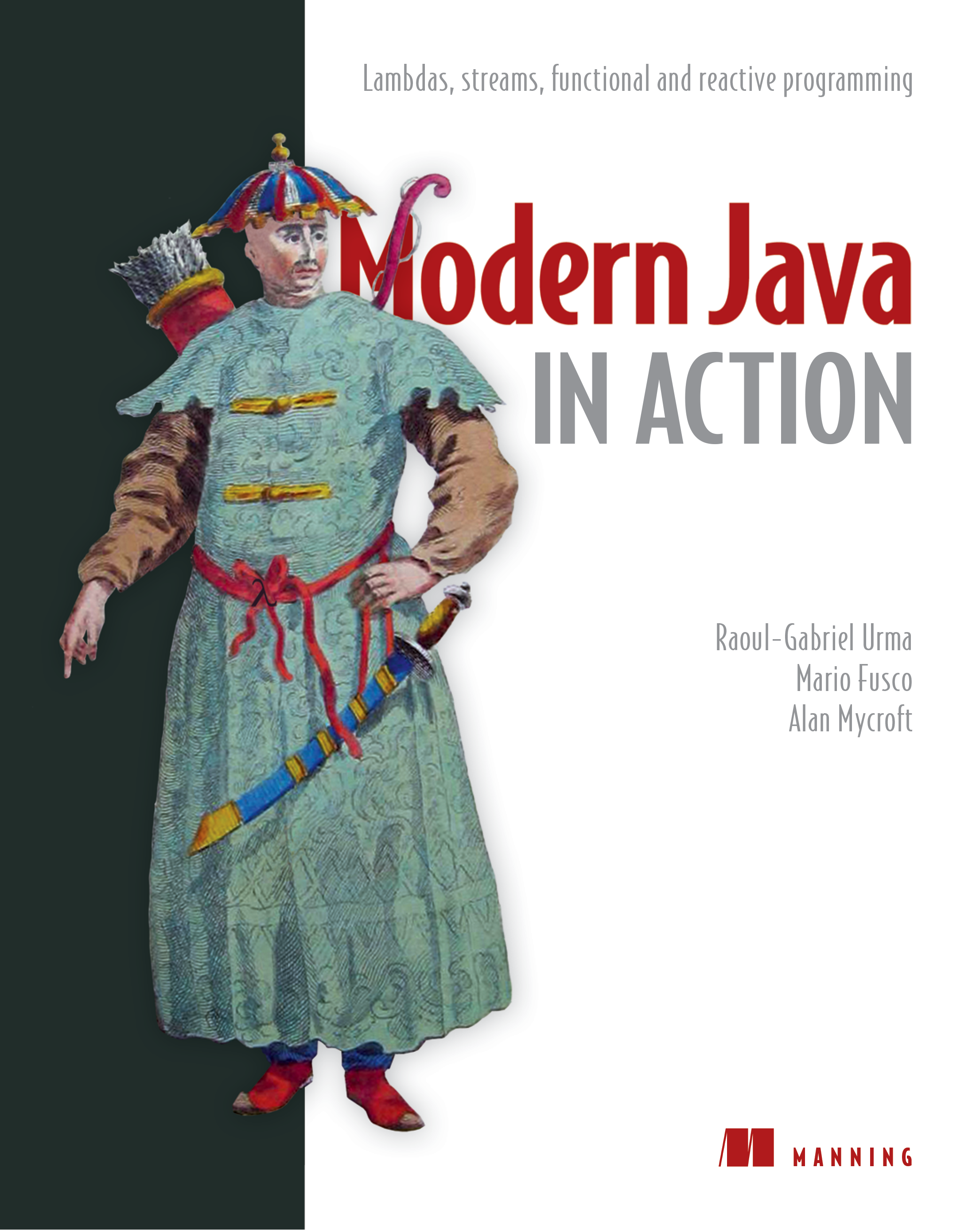
9. Modern Java in Action: Lambdas, Streams, Functional and Reactive Programming by Raoul-Gabriel Urma
Level: Intermediate to Advanced
Modern Java in Action focuses on new features introduced in Java 8 and later versions. The book covers functional programming, lambda expressions, and streams, as well as reactive programming using the RxJava library. It also provides practical examples and exercises to help developers create modern, efficient, and expressive code.
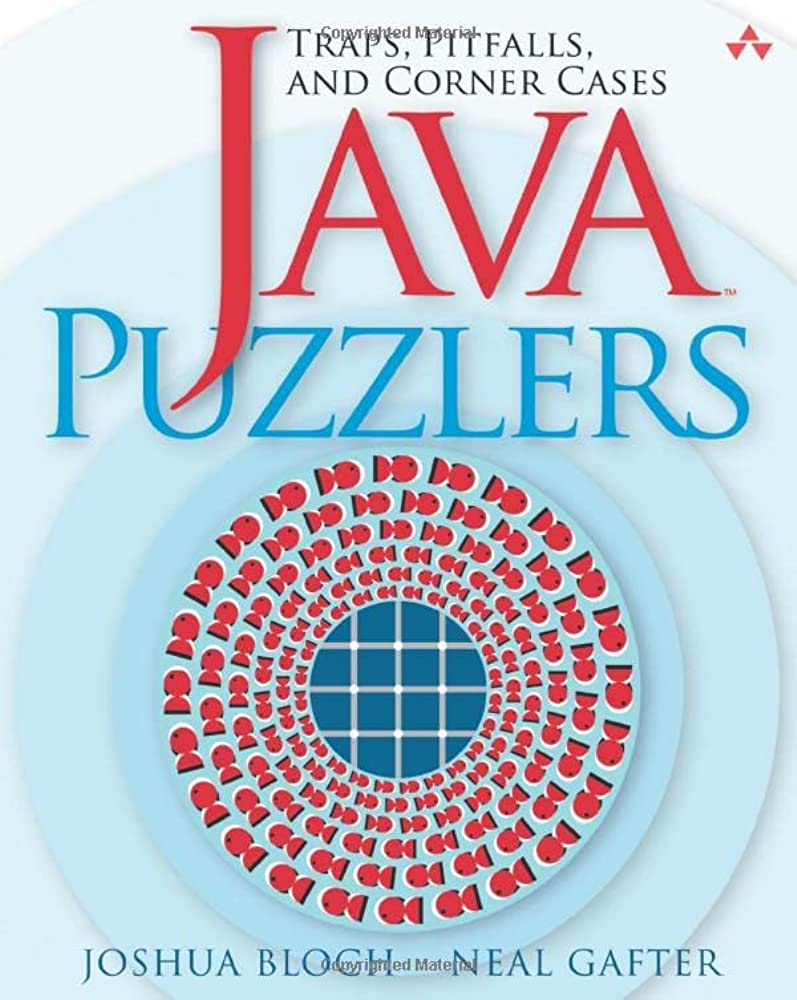
10. Java Puzzlers: Traps, Pitfalls, and Corner Cases by Joshua Bloch and Neal Gafter
Level: Intermediate to Advanced
Java Puzzlers is an entertaining and educational collection of brainteasers that reveal the subtleties of the Java programming language. The book consists of 95 puzzles, each illustrating a common pitfall or misconception in Java code. By solving these puzzles, developers can improve their understanding of the language and avoid common mistakes in their own code.
By exploring these top 10 Java books, you’ll not only deepen your understanding of the language but also sharpen your programming skills. From beginners to experienced developers, these books offer valuable insights and best practices to help you become a more effective and efficient Java programmer.